July 2026
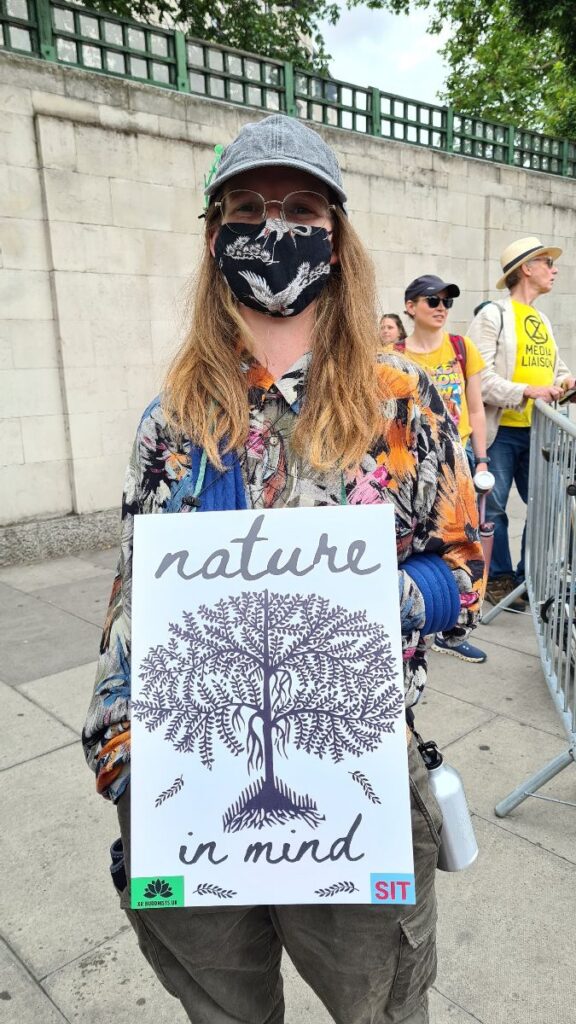
‘Nature in mind’: A member of the XR Buddhist bloc at the Restore Nature Now mobilisation, 22 June 2024 (pic: Shanon Shah)
Greetings and welcome to our July update, which comes to you at the start of South Asian Heritage Month here in the UK. First taking place in 2020, this is now an annual month-long celebration in the South Asian diaspora to celebrate the heritage of people with roots in India, Pakistan, Bangladesh, Sri Lanka, Nepal, Bhutan, and the Maldives. From the beginning of my time at Faith for the Climate, I have treasured working with and befriending the many amazing South Asians in our network.
I’d like to take this opportunity to give a special shout out to some of the organisations we’ve had the pleasure of working with: Ahista Stories, the Bahu Trust, EcoSikh UK, Global One, GoDharmic, Hindu Climate Action, and South Asians for Sustainability. And then there are the many individual South Asian interfaith and/or climate activists who do so much to make this network a success from Brahma Kumari, Buddhist, Christian, Hindu, Jain, Muslim, Sikh, and other faith backgrounds. There are also our past and present stellar South Asian trustees and members of staff: Dr Husna Ahmad, Prof Jagbir Jhutti-Johal, Rosh Lal, Dr Sachi Patel, Chief Imam Sayed Ali Abbas Razawi, and Trupti Patel. And the utterly wonderful Anu Priya and Farha Bi are holding our very first external impact evaluation.
If I have left anyone out, mea culpa – do write in. As part of the South Asian diaspora (albeit that travelled eastwards to Malaysia), I will humbly accept guilt-tripping just this once, especially from my esteemed Auntijis and Unclejis.
South Asia also breaks my heart. I grieve every past, present, and worsening future instance of extreme heat, flooding, and drought that hits the region’s population, who have done the least to cause the climate crisis but are suffering its worst impacts. But it’s getting harder to keep up with these multiplying headlines especially when the climate crisis is wreaking greater havoc over here, too. Last week, my body and my brain had a temporary meltdown, struggling through the unseasonal extreme heat whilst knowing that premier sporting events like the World Cup and Wimbledon are still sponsored by planet-wrecking corporations like Saudi Aramco, Coca Cola, and Barclays. I felt like I was going mad.
I’ve had to tell my wild runaway mind that South Asia is also where some of the most innovative, community-led solutions to the climate and nature crisis are being pioneered. Many members of our network in the UK are intimately connected with these projects over there. For example, in India, the Brahma Kumaris coordinate solar energy projects, GoDharmic works with communities of different faiths to restore the Sundarban wetlands, and EcoSikh works on reforestation projects. Global One, led by our former trustee Dr Husna Ahmad, provides clean water and sanitation to communities in Pakistan and Bangladesh, including Rohingya refugees. Most recently, our good buddy Kamran Shezad was involved in the launch of the Al Mizan Forest Programme, a landmark partnership betweeh Islamic Help and WWF-Pakistan.
Before this turns into an Oscar acceptance speech, let me say that I hope you enjoy the list of upcoming events, actions, and resources included in this edition. Also, some housekeeping: we’re taking a break in August, so we’ll be back with our regular monthly update in September. And now that we’re at the tail-end of our impact assessment evaluation and communications revamp, you might come across a temporary ‘splash screen’ if you visit our website which is being redesigned. More will be revealed in September.
But first, in honour of South Asian Heritage Month, let’s start with some spiritual grounding from the 15th-century poet-saint Kabir.
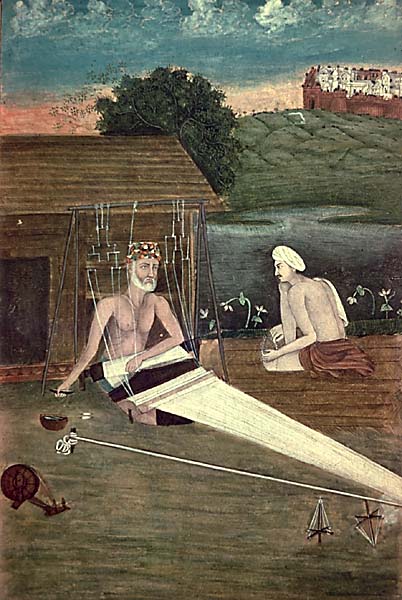
Kabir, weaving, with a disciple (public domain from Wikimedia Commons)
Spiritual grounding: Lessons from Kabir
If you’re a long-term reader of our e-news or have attended our previous webinars, you would have probably heard me quote Kabir before. Kabir – also known as Kabir Das or Sant Kabir – is one of the most beloved and oft-quoted figures in North Indian devotional poetry. But that’s not the only reason I love him. Kabir’s legacy is not merely literary or spiritual – it is also ethical. Kabir has been and continues to be claimed by Hindus, Sikhs, and Muslims of all lineages. As a Muslim who works at the intersection of the interfaith and climate justice sectors, I find this profoundly inspiring, especially in a world where religion is often implicated in rigid identity boundaries, hierarchies, exclusion, and even violent oppression.
What I especially love about Kabir is that his appeal does not rest upon watering down his message of spiritual depth and universal ethics by pandering to the lowest common denominator. Kabir was a severe critic of what he perceived as hypocrisy, arrogance, and injustice. For example, here’s a poem that should resonate with anyone who is concerned about climate and environmental justice:
What to say about people
Who won’t lift a finger to help you
Yet are quick to point one at others?
Goners themselves,
They take you down too,
To the bottom.
They set fire to their house,
Then bolt themselves in
And go to sleep.
They’ve lost their sight,
But laugh at everyone else,
Calling them one-eyed.
Kabir says, I’m afraid
In the company of such men.
(Translated by Arvind Krishna Mehrotra)
Kabir unflinchingly criticised those whose ostentatious, outward piety was not accompanied by inner devotion and humility, whether they were Hindu or Muslim. At the same time, his poems were intensely spiritual, exhorting loving devotion (bhakti) to the Divine. In other words, he condemned empty religiosity and insisted on inner truth across all faith and spiritual traditions.
This is why, to me, his poetry offers a way to express and deepen our faith for climate justice, since for him, spirituality and devotion can never be separated from ethics and universal dignity – the only way to be truly intimate with the Divine. As Kabir puts so succinctly and beautifully:
Listen carefully,
Neither the Vedas
Nor the Qur’an
Will teach you this:
Put the bit in its mouth,
The saddle on its back,
Your foot in the stirrup,
And ride your wild runaway mind
All the way to heaven.
June highlights
While we remain vigilant about the injustices that need to be addressed whether near and far, it’s even more important to celebrate the good work that so many of us are already doing. So, congratulations if you were part of something #TogetherForGood during the Great Big Green Week (8-14 June)! You were one of 1.6 million people who took part in 10,000 events all over the country – litter picks and live lessons, repair cafes and river blessings, seed swaps and snorkel safaris. Watch the wrap video, celebrate and share.
The Muslim Charities Forum has produced a special, very moving video of how Muslim communities contributed to the Great Big Green Week. Watch their video and share it far and wide.
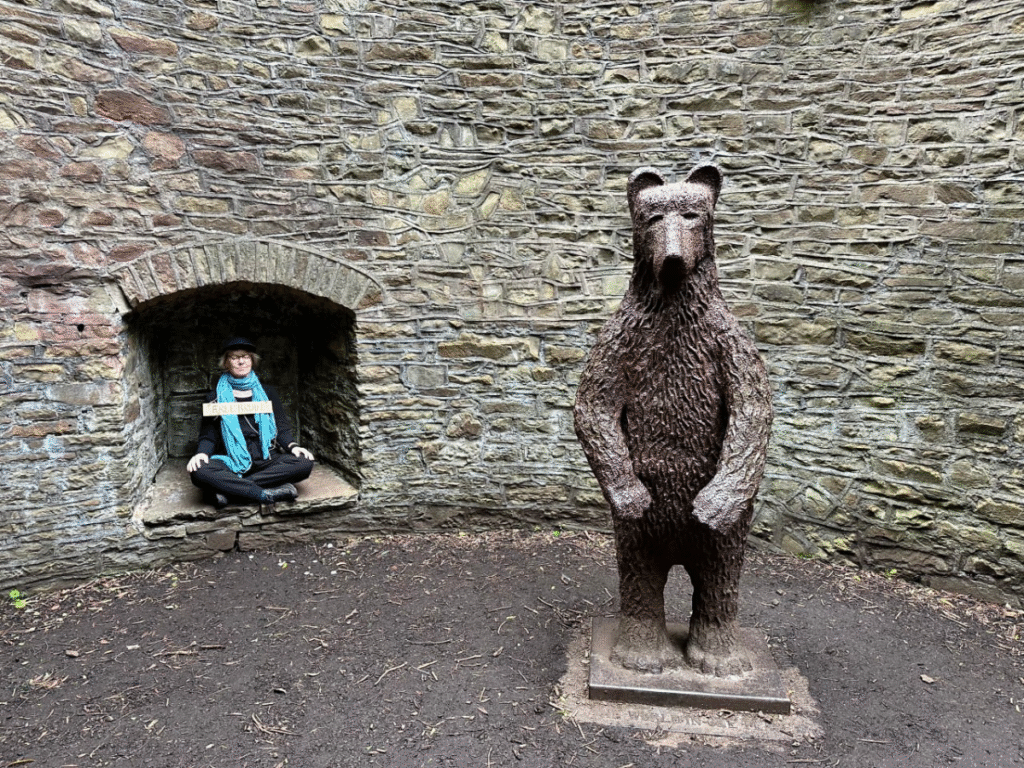
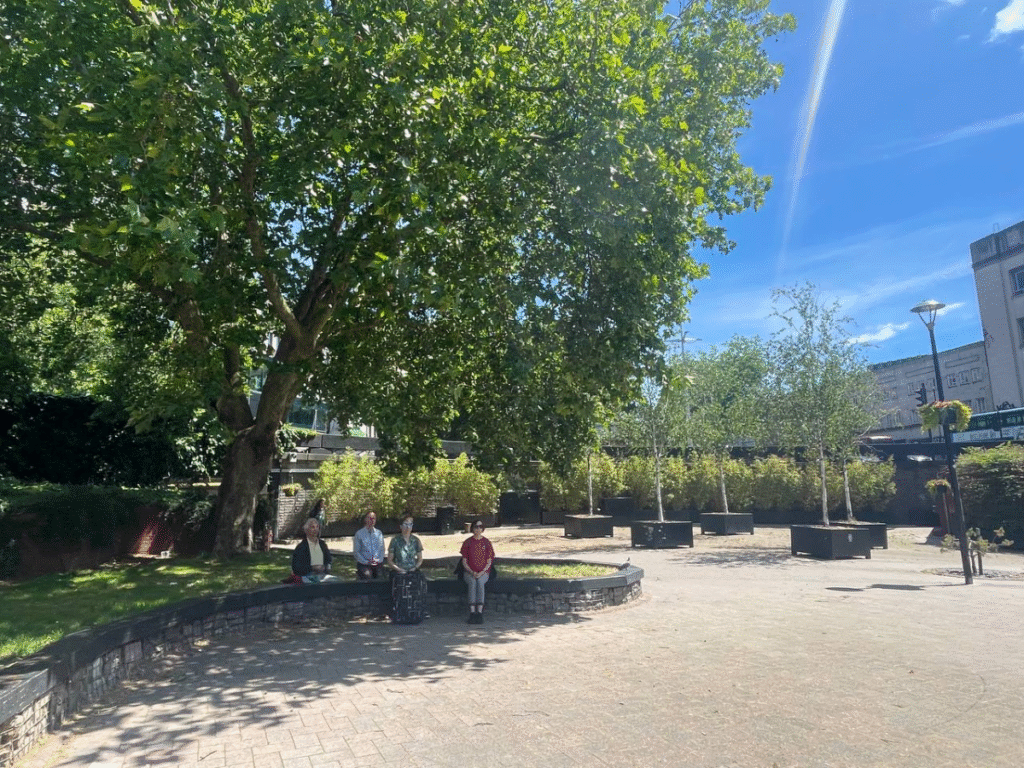
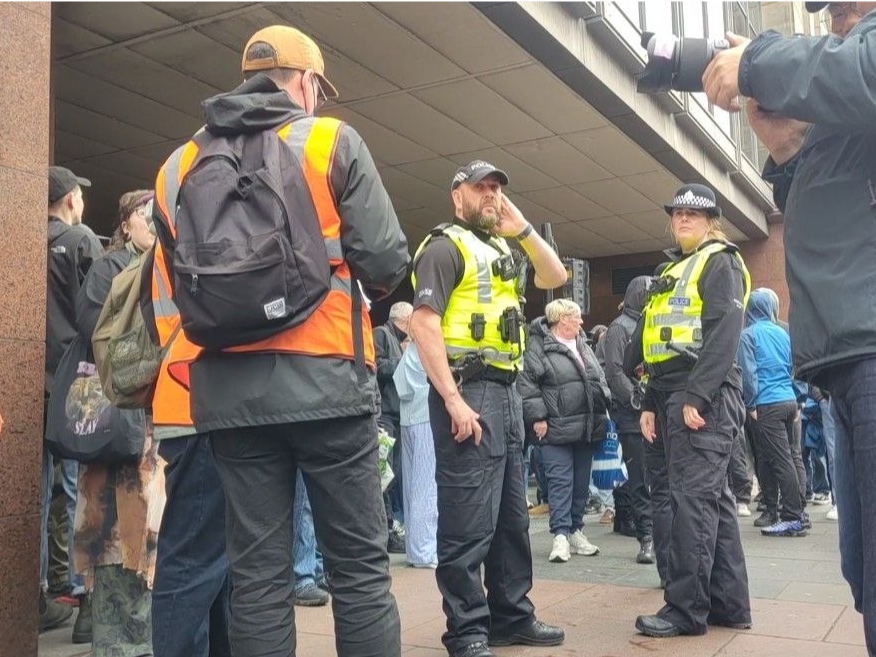
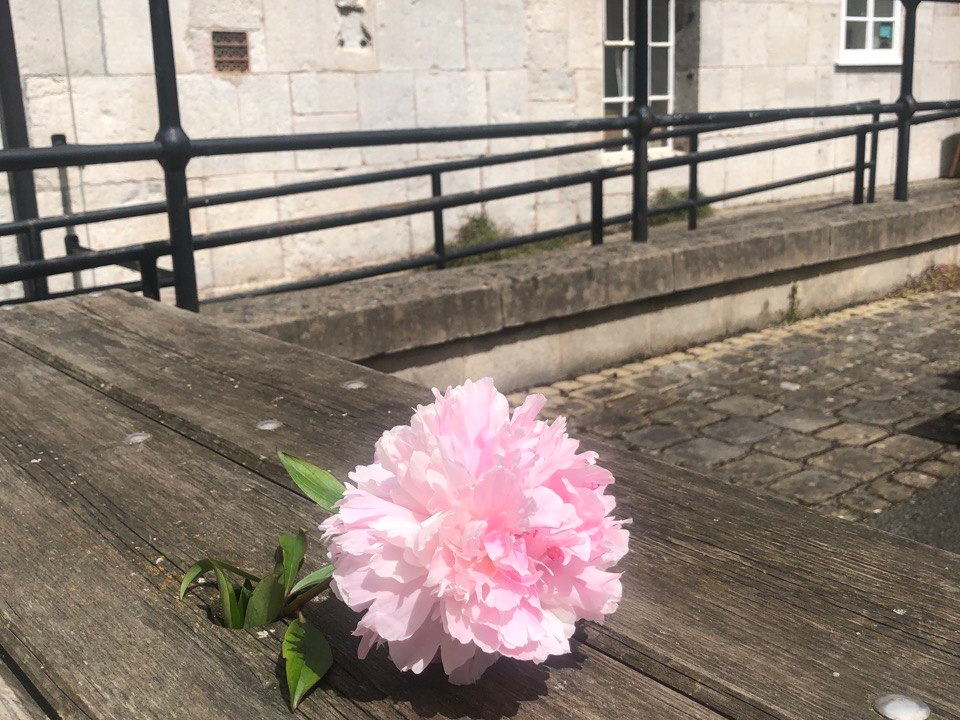
Unloved places meditations, clockwise from top left: An abandoned bear pit in Sheffield zoo, a sunken concrete roundabout in Bristol used by homeless people, an abandoned prison in Wales, and a demonstration in Scotland in solidarity with people of colour targeted by racist attacks (pics courtesy of XR Buddhists).
Upcoming events: Muslim Climate Action Week (6-12 July)
Muslim Climate Action Week 2026 trailer by Islamic Relief UK
Muslim Climate Action Week is just round the corner, kicking off officially on Monday 6 July. This year, the theme is to reflect on what it means to be Custodians of Creation since, for many Muslims, creation is a sacred gift that God has entrusted to humankind. There are exhibitions, film screenings, a lino printing workshop, a hands-on conservation day in Epping Forest, more.
As part of Muslim Climate Action Week, if you are based in the West Midlands, join Roots and Rivers: A Community Climate Action Day, Saturday, 5 July, co-organised by Islamic Relief UK, South Asians for Sustainability, Canal & River Trust, and the Royal Commonwealth Society.
If you want to organise something in your local area, check out the Organisers Guide.
TAKE ACTION
Last month, I shared the latest campaign by the JustMoney Movement, Challenge Amazon – Break the Habit, Fix the Rules. The campaign invites churches and individuals to reflect on how these systems drive inequality, and to take action where we can to Break the Habit. But we can’t fix a broken system by changing our shopping habits alone. Something more fundamental needs to change.
That’s why the campaign is also calling for MPs to help Fix the Rules so that multinational behemoths like Amazon no longer get away with hoarding profits, dodging taxes, exploiting workers, and wrecking the climate. JustMoney Movement have developed an online tool to get our MPs to support a once-in-a-lifetime chance to create the first global, inclusive, legally binding framework on international tax.
We almost certainly haven’t seen the end of bilstering heatwaves. Ahead of the next extreme heat event, here’s a checklist that is highly relevant for faith communities and places of worship, compiled by the Greater London Authority’s community resilience team:
⚠️Be aware of and activate any community emergency plans you have prepared
❤️Engage in outreach to older people and those with a health or mental health condition
🚨Be alert to signs of heat exhaustion or heatstroke, following NHS guidance
🗺️If you’re in London, join, use and promote the Cool Spaces map
💧Drink plenty of water and stay hydrated
🔥Take care to avoid wildfire risks, including with outdoor disposable BBQs
☀️Avoid being out in the sun from 11am-3pm and wear sun protection
🌊Be mindful of water safety – water can be very cold and can cause shock
⛈️Remember it is possible that storms and flash flooding can follow high temperatures
A red alert means that even fit and healthy people can experience impacts on their health and wellbeing, and there may disruption of services people rely on.
As we’ve said time again, extreme heat is but one symptom of climate injustice. Some other actions you can take include:
- Familiarising yourself with and sharing the Met Office’s WeatherReady resources
- Finding out about and, if you’re able to, joining the Heat Strike
- Demanding legislation and guidelines on safe working temperatures
The climate crisis exacerbates the extremes of heatwaves and excessive rainfall, which makes water supplies less predictable for people and nature. Find out how you can help by supporting the Let’s Save Water campaign.
As people of faith, we know that contemplation, meditation, and prayer are not add-ons but are practices integral to the actions we take. The 100 Days of Peace is an inclusive contemplative initiative running from 13 June to 21 September. Find out more about how you can join one shared moment of stillness each evening.
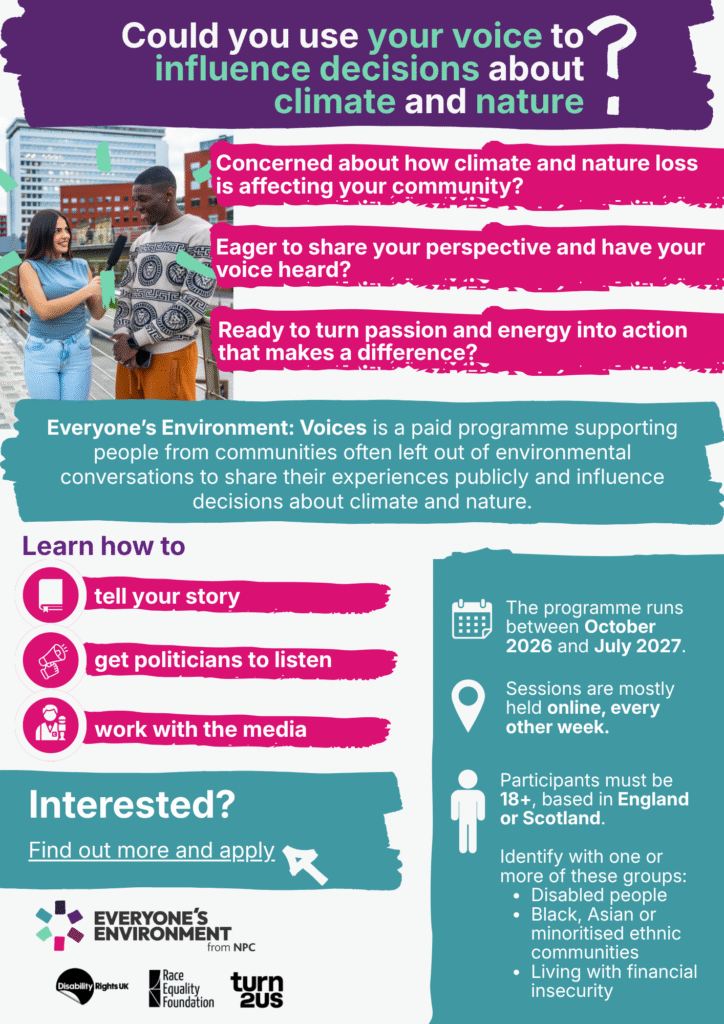
Everyone's Environment: Voices
Could you use your voice to influence decision on about climate and nature?
Everyone’s Environment: Voices, is a new programme supporting people with lived experience of inequalities to share their experiences publicly and influence climate and nature decisions.
- No experience needed, but a drive to speak publicly on how environmental issues have affected you
- Training, support, and compensation provided
- Open to people aged 18+ in England and Scotland who identify as Disabled, from Black, Asian or minoritised ethnic backgrounds, or are living with financial insecurity
Deadline: 16 August
Online Q&A: 8 July
Find out more and apply: https://www.thinknpc.org/everyones-environment/everyones-environment-voices/
Information resources
Since we’re taking a break from the newsletter in August, you’re getting yet another a bumper crop of information resources. As usual, I try to choose items that spotlight the less visible yet hugely important issues that often get missed in the traditional news cycle.
Faith-specific initiatives
The Season of Creation or Creationtide runs from 1 September to 4 October and is a time for prayer and action for Christians of all denominations for our common home. Check out and share this year’s resources.
As part of your Creationtide plans, consider checking out the work of Climate Stewards, a Christian organisation that helps individuals, businesses, churches, and other faith communities make meaningful climate contributions to measure and reduce their carbon emissions. Download their brochure to find out more about the different ways they can support you.
I love that since 2022, the Brahma Kumaris have been supporting the Great Green Wall, a massive tree-planting initiative conceived in 2007 to halt the expansion of the Sahara Desert.
Here’s some exciting news: Faiths for Oceans is a multi-faith campaign launched at the 2025 UN Oceans Conference, bringing faiths to the forefront of marine protection.
Issues and ideas
In recent years, we’ve endorsed the annual Banking on Climate Chaos report. According to this year’s report, since the adoption of the Paris Agreement, banks have financed the fossil fuel industry with more than USD 8.7 trillion, with USD 906 billion only in 2025. Needless to say, any such expansion financing is incompatible with limiting global warming to 1.5°C. This is relevant for us since nearly all global bank fossil fuel financing (87%) flows through just six financial centres – the United States, Canada, Japan, China, the United Kingdom, and the European Union.
Over 100 human rights, environmental, Indigenous and Afro-descendant organisations have written to the Organisation for Economic Cooperation and Development (OECD) – which the UK is part of – calling for stronger binding measures to hold multinational companies accountable for human rights abuses and environmental harm.
There’s a pattern here – it is still multinational corporations, aided and abetted by wealthy nations, that continue to wreak havoc on communities and ecosystems. This is why it’s so important that our work is grounded in the principles of a just transition. But, like ‘climate justice’, ‘just transition‘ has become a buzzword and its meaning risks being diluted, which is why it is crucial to understand its history.
As a concept, the ‘just transition’ first emerged through the work of the American labour rights campaigner Tony Mazzocchi, a leader in the Oil, Chemical and Atomic Workers Union (OCAW). Back in the 1990s, OCAW and other radical unions aligned themselves with the local communities most harmed by their industries. They understood that polluting industries threatened both their own workers and surrounding communities, whether through hazardous working conditions or negative health impacts. Guided by common cause, these workers and communities resisted divisive, false binaries around ‘jobs versus environment’. According to the principles held by the Just Transition Alliance, there is no reason why ambitious and effective action to address the climate and nature crisis should preclude having a healthy economy and flourishing communities.
Moreover, scientific advancements and technical fixes alone cannot guarantee a just transition. What is also needed is a shared framework that analyses and acts upon climate change, nature loss, and numerous social injustices as interconnected crises driven by the same root causes. This article refers to such a framework as a necessary ‘imagination infrastructure‘, which I think quite accurately describes what faith and spiritual traditions can offer. Bearing this in mind, as a special summer gift, I’d like to share this wonderful essay and series of short films, Seasoning a Kid: A Search for a Practice of Place, that truly captured my heart and my imagination.
Thank you for reading this far, and well done for all that you do for people and planet. Preparing this edition of our e-news has helped somewhat to tame my wild runaway mind. I hope it has helped you, too. Have a good summer, and see you in September. For now, I’ll give the last word to Kabir:
I won’t come
I won’t go
I won’t live
I won’t die
I’ll keep uttering
The name
And lose myself
In it
I’m bowl
And I’m platter
I’m man
And I’m woman
I’m grapefruit
And I’m sweet lime
I’m Hindu
And I’m Muslim
I’m fish
And I’m net
I’m fisherman
And I’m time
I’m nothing
Says Kabir
I’m not among the living
Or the dead
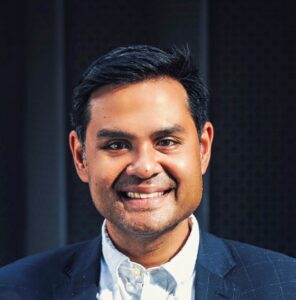
Shanon Shah
Director at Faith for the Climate
About Faith for the Climate's monthly e-news
Faith for the Climate exists to encourage, inspire and equip faith communities in their work on climate change. If you have any items you would like to be included in upcoming editions of our newsletter, contact us, find us on Facebook, Instagram, and LinkedIn. Subscribe to our e-news here.