February 2026
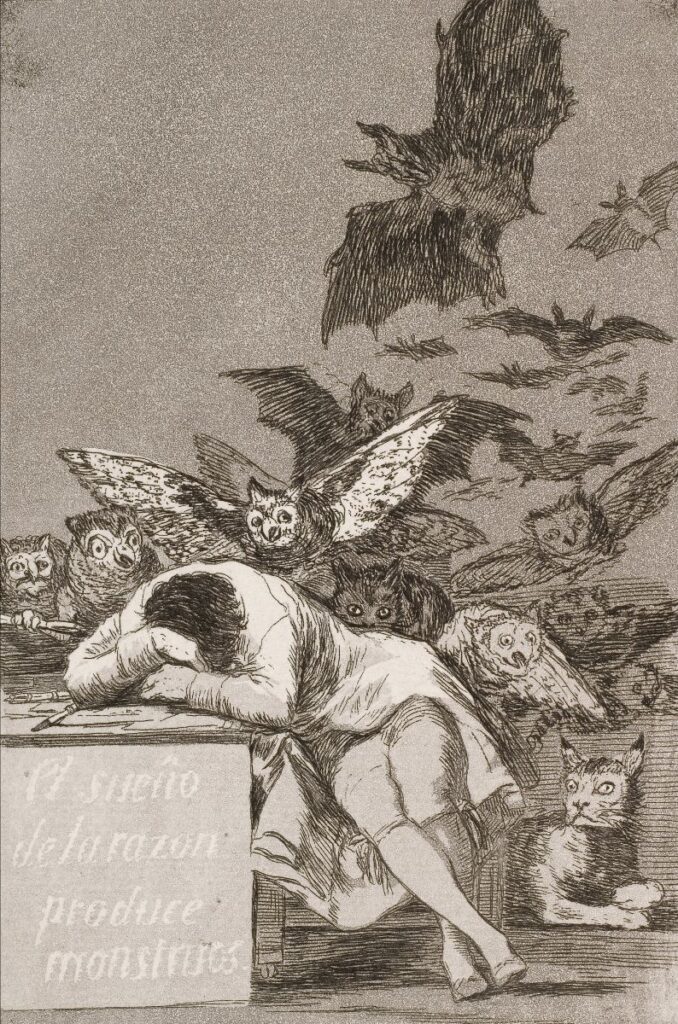
‘The Sleep of Reason Produces Monsters’ by Francisco Goya (Public Domain)
Dear Faith for the Climate network,
Greetings and welcome to our February update. I’ve been having some very strange dreams recently, and maybe this is why I’ve been thinking about this famous etching, ‘The Sleep of Reason Produces Monsters’, by the Spanish artist Francisco Goya.
The work depicts a man, probably Goya, slumped forward at his desk in slumber, while all around him a dark menagerie of birds, bats, and beasts swirl menacingly. As part of a larger collection published in 1799, this piece has often been interpreted as a defence of the values of the Enlightenment, i.e., without reason, evil and corruption triumph.
It would be too easy to extrapolate this reading as a commentary on what is going on nationally and internationally now. According to this Western, Enlightenment-centric interpretation, the neglect of science and rationality is what has produced the ‘irrational’ monsters of religion and pseudo-science that are feeding the rise of far-right populism, authoritarianism, genocide, and ecocide that so many parts of the world are currently beset with.
Yet Goya included a caption that contains much more nuance: ‘Imagination abandoned by reason produces impossible monsters; united with her, she is the mother of the arts and source of their wonders.’ In other words, we need our rational and imaginative faculties to be in balance for a healthy, ethical, and beautiful life to be possible. With Goya, we can understand the word ‘reason’ to encapsulate both rationality and imagination.
The climate crisis is clearly not caused or exacerbated by a lack of rational facts or scientific evidence for it. Rather, it is a symptom of a failure of imagination – specifically, the ability of rich and powerful institutions and leaders to imagine that we can, together, heal the planet and ourselves, and that we can do this in ways that are equitable, kind, just, and joyful.
It is partly for this reason that Faith for the Climate’s first webinar of 2026 highlighted Abrahamic perspectives of climate justice and interfaith renewal – more on this below. Basically, we wanted to showcase and celebrate the series of delightful coincidences marking the month of February this year. Christians following the Latin rite will begin the season of Lent on Ash Wednesday, 18 February, which coincides with the start of the holy month of Ramadan for Muslims. The month opened with the Jewish festival of Tu B’Shevat – the Birthday of the Trees – from sundown on Sunday, 1 February to nightfall on Monday, 2 February.
Not only that – 15 February marks Maha Shivaratri, a festival devoted to the Lord Shiva, and Chinese New Year falls on 17 February while the Tibetan Buddhist new year Losar falls on 18 February.
Our webinar speakers shared intriguing insights about the interfaith and climate justice potential of Tu B’Shevat, Lent, and Ramadan. In relation to the theme of this newsletter, I was particularly struck by how two of our speakers, Bokani Tshidzu and Kamran Shezad, spoke reverentially of Lent and Ramadan as seasons of penitence, fasting, and restraint. On one level, this makes these seasons sound downright countercultural in the face of runaway consumerism and neo-liberal capitalism. On another level, the physical or bodily aspects of Lenten and Ramadan observances are settings for more wondrous, revelatory messages of transformation. It is after fasting for forty days and forty nights that a physically hungry Jesus was tempted by the devil – and yet, spiritually fortified, he resisted. It is during Ramadan that the Night of Power (Laylat al-Qadr) occurs, during which the Qur’an was ‘sent down’ – ‘tanzil’, a term that has sparked much debate about the stages and dynamics of revelation in Islam – and revealed to the Prophet Muhammad.
Maha Shivaratri is also a solemn observance. Unlike many other Hindu festivals, it is marked not by revelry but is rather celebrated at night and can involve fasting, jagarana (an all-night vigil accompanied by prayers), the recitation of hymns, and meditations on ethical virtues such as honesty, charity, and forgiveness. There are many sacred legends that explain the significance of Maha Shivaratri – my favourite is that this is the night when Lord Shiva performs the heavenly dance of creation, preservation, and destruction. You might recognise this visual depiction of Shiva as Nataraja, the Lord of Dance.
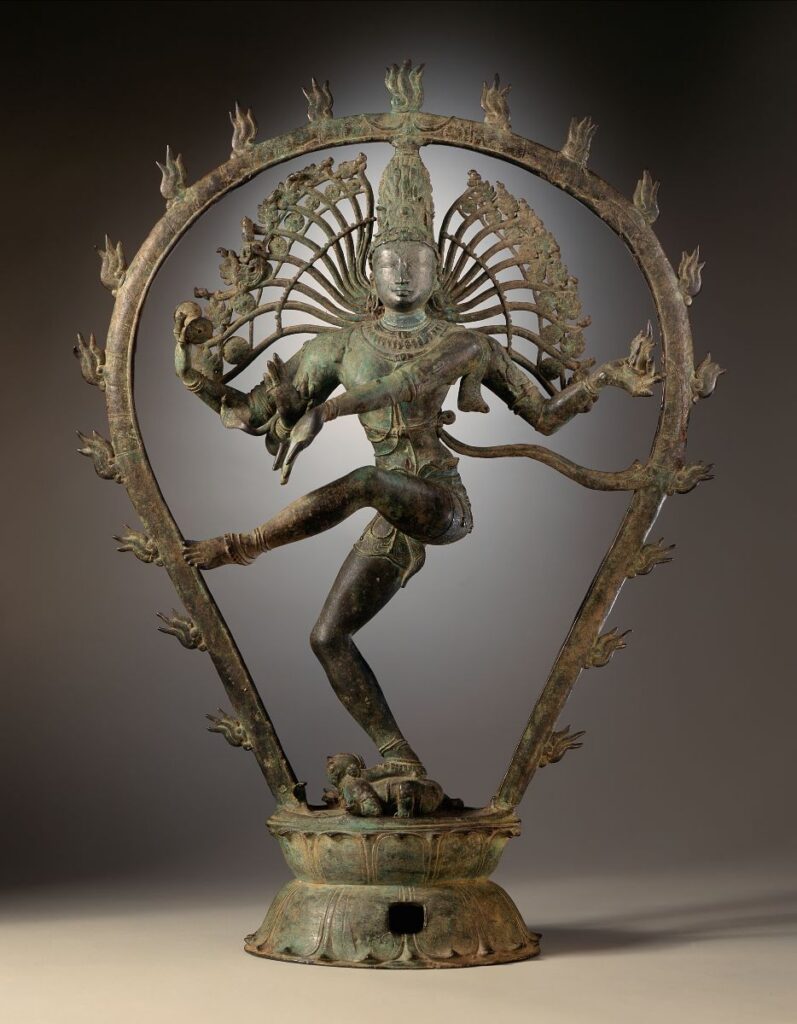
Shiva as Nataraja, the Lord of Dance (Public Domain)
In other words, Lent, Ramadan, and Maha Shivaratri all offer opportunities for ritual and bodily practices that can help awaken our creative, moral, and spiritual imagination. I’d like to offer my warmest wishes and blessings for whatever sacred season you are commemorating this month. And I hope that this edition of our e-news offers actions, events, and resources that can inspire your rational and imaginative faculties of reason and faith.
Recording of our first webinar of 2026 on Abrahamic perspectives of climate justice and interfaith renewal
Webinar recording - Interfaith renewal and climate justice: Abrahamic perspectives
It was wonderful to see so many of you at our first webinar of 2026 last week. It was everything I hoped it would be and more – our wonderful panel of speakers shared such inspiring stories and reflections to sustain and nourish our work on climate justice in what is already a turbulent year. Don’t worry if you weren’t able to make it – you can watch the recording here.
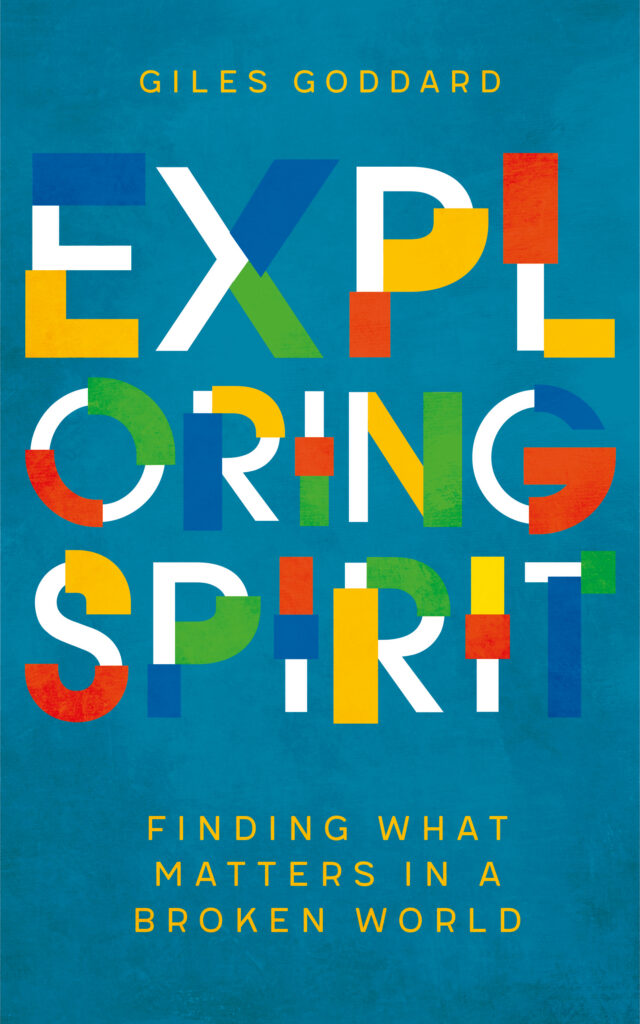
A special invitation: Wednesday, 4 March
We are thrilled to invite you to the launch of Exploring Spirit, Giles Goddard’s guide to inclusive, questioning and compassionate contemporary spirituality – in person at St John’s Waterloo on Wednesday, 4 March.
Discover a fresh take on what it means to live spiritually in today’s world – to explore, connect, and flourish. The event will include a special conversation between Giles and me about the book and what he learnt while writing it. Feel free to bring a guest – please indicate when you RSVP using the link here. Iftar and prayer space will be provided for those observing Ramadan.

Take action this month
Saturday, 14 February: The Climate Coalition’s Show the Love campaign officially kicks off. To prepare for the actions you can support, read this blog and check out the community action pack.
Monday, 9 February – Sunday 15 February: Speaking of love, this week is also #HeartUnions week. As 2026 is a year of trade union climate action, climate campaigners who aren’t yet in a union are encouraged to join one. Find out more here.
Wednesday, 18 February: In preparation for Ash Wednesday in the Latin Christian rite, Climate Stewards are encouraging people to pledge a Carbon Fast for Lent.
Friday, 27 February: Join ‘A Global Circle of Light for the Animal Kingdom’, a 24-hour sunrise-to-sunrise prayer ceremony which aims to unite people of all faiths and nations in a shared act of compassion for all sentient life. This is an open invitation, and more information on the organisers and how to participate can be found on the website.
Other actions:
Last year, we mobilised faith support for the National Emergency Briefing (NEB), a non-partisan public-information initiative bringing together leading UK experts to present clear, evidence-based briefings on the climate and nature emergency. Following the landmark briefing in Westminster last November, NEB is now rolling out a 45-minute public-information film for local screenings across the UK, accompanied by facilitated discussion. NEB is inviting organisations with member networks, as well as local groups, to host screenings in community venues such as village halls, places of worship, or community centres. Organisers are supported with a full toolkit, including the film, guidance and digital publicity assets. To register interest or find out more, visit nebriefing.org/take-action or contact info@nebriefing.org. To refresh your memory, I would highly recommend reading this beautiful reflection of the November briefing by Elizabeth Cruse from the Order of Bards, Ovates and Druids.
Billionaires are in the news again, and not for good reasons. But did you know that the richest 1% have blown through their fair share of carbon emissions for the year in just the first 10 days of 2026? That’s why Oxfam are saying it’s time to tax the super-rich and demand a Wealth Tax today.
If you are a member of the Church of England, Rewild the Church have a simple digital action for you to email your local members of General Synod members and urge their support for a Private Members Motion calling for the Church Commissioners to commit to restoring nature on 30% of their land by 2030. Find out more here.
Save the Date: Saturday, 28 March - March together for hope, love, and unity
The multiple challenges we face are real, but we won’t solve them by giving into hate and division or continuing to burn the planet. On Saturday, 28 March, join trade unionists and environmentalists, community activists and faith leaders, musicians, athletes, entertainers and elected representatives in London to stand up for hope, love, and unity.
Upcoming Events
Wednesday, 11 February: How can we counter the impact of corporate lobbyists on our politicians? Join Hope for the Future’s session, ‘Countering the Influence of Corporate Lobbyists’ to discover the impact of lobbying on UK politics and the vital role that parents can have to stand up for climate and nature. No previous experience of lobbying is necessary, and all are welcome. Register here.
Saturday, 14 February: For their upcoming Earth Crisis Forum, the World Community for Christian Meditation are convening ‘A Celebration of the Earth’ – a contemplative celebration combined with periods of silent inner reflection. The starting point will be St Francis of Assisi’s Canticle of the Sun, enriched through the guidance created by theologian Matthew Fox: Via Positiva; Via Negativa; Via Creativa; Via Transformativa. There will be an opportunity to share and reflect within small groups. Find out more and register here.
Wednesday, 25 February: The next session of Christian Aid’s Powered by Hope online workshop series features our very own Giles Goddard. Giles will explore the parable of the sower, reflecting on what it can show us about our own justice seeking work. All are welcome – you don’t have to have joined any previous sessions to take part in this one. Register here.
Friday, 6 March: As part of Islamic Relief UK’s Eco Ramadan campaign, we’re co-hosting an interfaith green iftar at Al Manaar Mosque in London. Featuring reflections from Islamic Relief UK, Faith for the Climate, faith leaders and climate voices, followed by a delicious, sustainably prepared iftar. The evening will offer a space for connection, dialogue and collective commitment to climate action rooted in faith. Find out more and sign up here.
Saturday, 30 May – Sunday, 31 May: The Laudato Si’ Research Institute, in collaboration with the Al Mahdi Institute and the Cambridge Muslim College are organising a two-day formation course, Christian-Muslim Dialogues on Ecology. The course aims at equipping Muslim and Christian communities with the intellectual and theological resources to learn from each other and respond together to today’s ecological and political challenges. Find out more and register here.
Faith Resources
- As celebrated in last week’s webinar, Lent and Ramadan commence at the same time this year. Check out the Lenten resources offered by the Laudato Si’ Movement, and Kamran Shezad has written this excellent Guide to an Eco-Conscious Ramadan.
- The Church of England has launched its 2026 Environment Days and Key Events Calendar which features key days, weeks and months associated with environmental and climate change awareness.
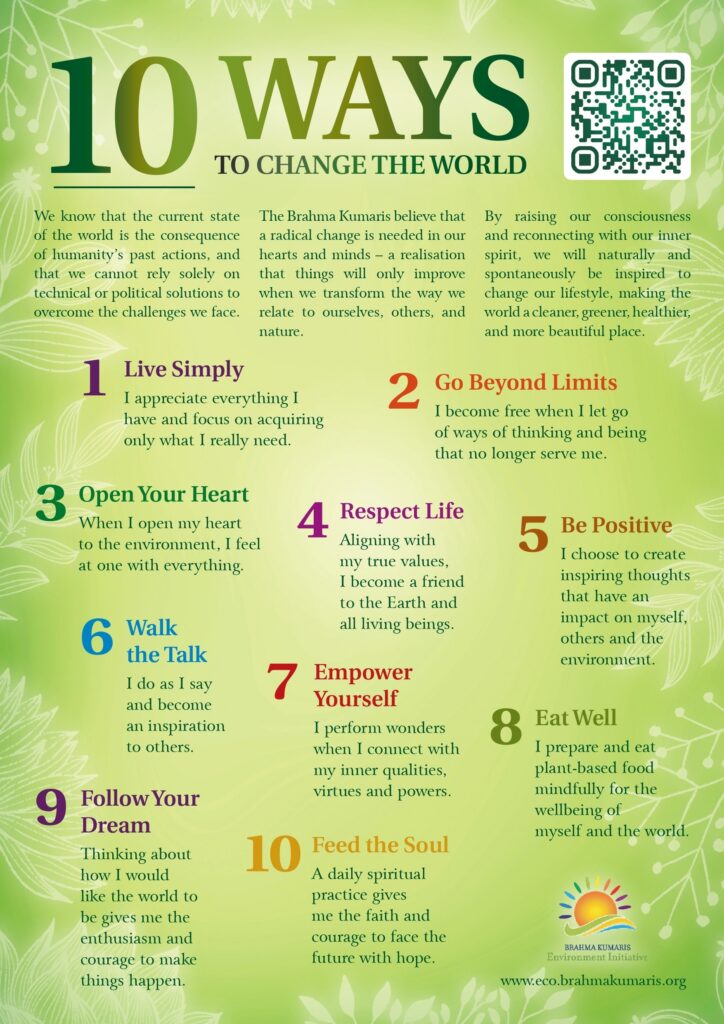
- The Brahma Kumaris have an ongoing initiative, 10 Ways to Change the World, which provides simple, actionable steps towards a more harmonious world for nature and all living beings.
- Would you like to know how your local, faith-inspired climate actions can be coordinated better with other actions and campaigns? Then sign up to the free, simple, and accessible platform, Climate Connect.
Other information resources
Time for some good news!
- A judgment at The Hague has found that the Dutch government discriminated against the people of the Caribbean island of Bonaire by failing to help them adapt to climate change. The Netherlands has been ordered to develop an appropriate adaptation plan for Bonaire and to implement tougher greenhouse gas targets.
- Defying last-minute lobbying attempts, Amsterdam city council passed a legally binding ban on advertising for fossil fuels and meat products across public spaces in the city, becoming the first capital in the world to prohibit such ads through local law.
- The UN climate conferences (COP) are not the only international forum to campaign for climate justice. It’s worth paying attention to a planned UN global tax treaty, which has the potential to compel fossil fuel companies to pay for climate and environmental breakdown. We’re particularly pleased about the UK’s support, including for the ‘polluters pay principle‘ which we have long called on the UK government to endorse.
And here are some lesser-known articles that helpfully contextualise the more sensationalist headlines:
- In the vast number of reports on the protests in Iran, one root cause has remain woefully underexplored – environmental breakdown.
- We often highlight the fossil fuel industry’s role in climate and environmental breakdown, but this article highlights the destructive role of the mining industry, too, focusing on a British mining company’s activities in the Philippines.
- We must still stay vigilant about the fossil fuel industry as well. Pay attention to the Odette Case, in which 103 ordinary Filipinos are demanding justice for themselves and for loved ones lost in Super Typhoon Odette back in 2021. The claimants are using the law to hold Shell accountable for its contribution to this colossal tragedy caused by climate breakdown.
- What climate stories will shape 2026, with people increasingly affected by soaring cost of living, and many suffering the impacts of war, genocide, and state-sponsored authoritarian violence? The World Resources Institute lays out the three top climate stories to watch in 2026.
Thank you for reading this far, and well done for all that you do for people and planet. May the penitential and introspective observances this month awaken our imagination and faith, so that we can tame the many-headed monsters of injustice and make our dreams for a better world come true.
Shanon Shah
Director at Faith for the Climate
About Faith for the Climate's monthly e-news
Faith for the Climate exists to encourage, inspire and equip faith communities in their work on climate change. If you have any items you would like to be included in upcoming editions of our newsletter, contact us, find us on Facebook, Instagram, and LinkedIn. Subscribe to our e-news here.